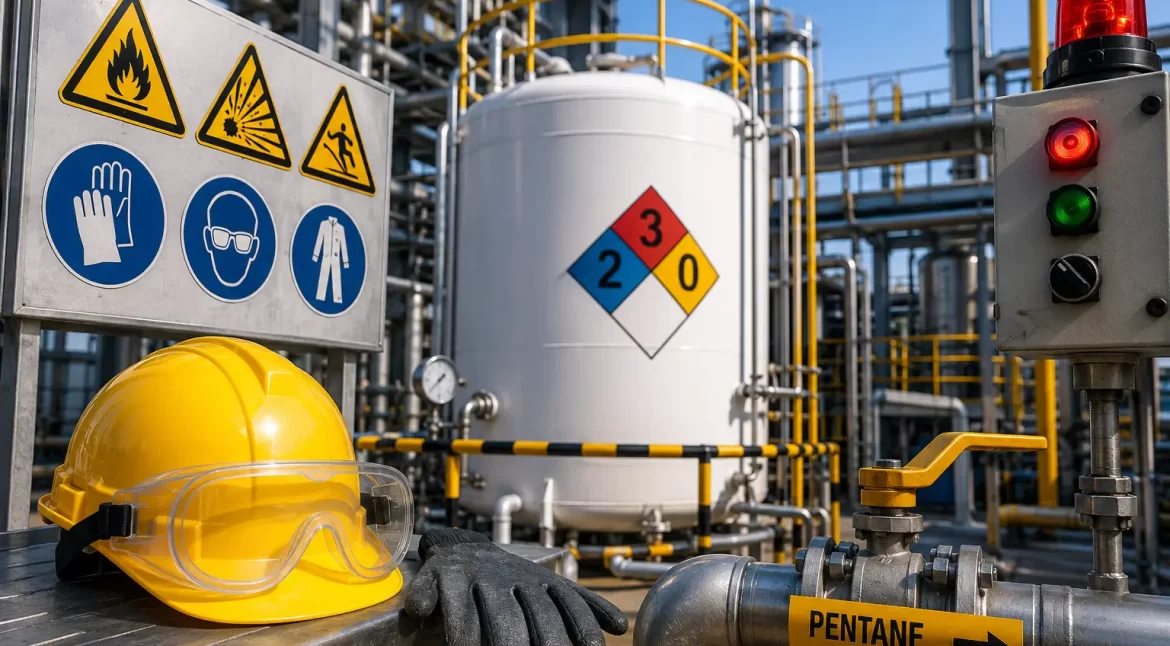
Pentane is widely used as a blowing agent in the production of polyurethane (PU) insulation panels, refrigeration products, and construction materials. While pentane offers excellent insulation performance and environmental benefits, it is also a highly flammable hydrocarbon that requires strict safety measures throughout storage, handling, and production processes.
For manufacturers operating pentane-based polyurethane systems, understanding and implementing proper safety guidelines is critical to protecting personnel, equipment, and facilities.
What is Pentane?
Pentane is a volatile organic compound (VOC) commonly used as a blowing agent in polyurethane foam production. Due to its low boiling point and excellent expansion characteristics, it helps create lightweight, high-performance insulation materials.
However, pentane vapors can form explosive mixtures when combined with air, making safety management a top priority.
Key Risks Associated with Pentane
Fire Hazard
Pentane has a very low flash point, making it highly combustible.
Explosion Risk
Pentane vapors can accumulate in enclosed spaces and ignite when exposed to sparks or open flames.
Vapor Accumulation
Poor ventilation can allow flammable concentrations to build up around machinery and storage areas.
Static Electricity
Static discharge generated during transfer operations can ignite pentane vapors.
Safe Pentane Storage Guidelines
Use Approved Storage Tanks
Pentane should be stored in specially designed tanks equipped with:
- Pressure relief valves
- Level indicators
- Emergency shut-off systems
- Leak detection systems
Maintain Safe Distances
Storage tanks should be positioned away from:
- Production equipment
- Electrical installations
- Welding stations
- Open flame sources
Install Proper Venting Systems
Dedicated vent lines should safely discharge vapors away from personnel and equipment.
Ventilation Requirements
Proper ventilation is one of the most important safety measures in a pentane facility.
Recommended Practices
- Continuous mechanical ventilation
- Explosion-proof exhaust systems
- Airflow monitoring systems
- Vapor extraction near processing equipment
Effective ventilation helps maintain pentane concentrations well below explosive limits.
Electrical Safety Measures
All equipment located in pentane handling zones should be explosion-proof and compliant with hazardous area standards.
Recommended Equipment
- ATEX-certified electrical components
- Flameproof motors
- Explosion-proof lighting
- Intrinsically safe control systems
Regular inspections should be conducted to ensure continued compliance.
Static Electricity Control
Static discharge is a common ignition source in pentane systems.
Safety Measures
- Ground all tanks and pipelines
- Use anti-static hoses
- Install bonding connections
- Conduct regular grounding inspections
Proper grounding significantly reduces ignition risks.
Fire Protection Systems
Every pentane handling facility should have dedicated fire protection infrastructure.
Essential Systems
- Fire detection systems
- Gas leak detection sensors
- Foam-based fire suppression systems
- Emergency shut-off valves
- Fire-resistant equipment enclosures
Emergency response procedures should be clearly documented and regularly tested.
Employee Training Requirements
Personnel working with pentane must receive specialized safety training covering:
- Pentane hazards
- Emergency procedures
- Fire response protocols
- Leak identification
- Safe handling practices
Regular refresher training ensures continued awareness and compliance.
Emergency Response Planning
A comprehensive emergency response plan should include:
- Evacuation procedures
- Emergency shutdown processes
- Fire containment measures
- Communication protocols
- Incident reporting systems
Regular emergency drills help ensure preparedness during critical situations.
Why Professional Pentane System Design Matters
Safe pentane operations depend on more than equipment alone. Proper engineering design, installation, commissioning, and maintenance are essential for long-term operational safety.
A professionally designed pentane system incorporates:
✔ Hazard analysis
✔ Ventilation engineering
✔ Fire protection systems
✔ Explosion prevention measures
✔ Regulatory compliance standards
✔ Operator safety protocols
Conclusion
Pentane is an essential component of modern polyurethane manufacturing, but its flammable nature demands strict safety controls. By implementing proper storage, ventilation, grounding, fire protection, and training measures, manufacturers can safely operate pentane-based PU production systems while maintaining efficiency and regulatory compliance.